

Environment
India Intensifies River Restoration and Wildlife Protection Efforts Amid Climate Concerns
India’s Environmental Challenges Intensify as River Restoration and Wildlife Protection Efforts Gain Momentum
India is witnessing a renewed push toward environmental conservation as governments, researchers, and citizen groups step up efforts to tackle pollution, biodiversity loss, and climate-related threats across the country. From large-scale river rejuvenation projects to grassroots wildlife protection initiatives, recent developments highlight both the urgency of ecological restoration and the growing public participation in environmental action.
River Cleanup Projects Receive Major Attention
One of the biggest environmental developments this week emerged from Nashik, where civic authorities announced an ambitious plan to restore the polluted Godavari River ahead of the 2027 Simhastha Kumbh Mela. The project includes the construction of advanced sewage treatment plants, expansion of sewer networks, and diversion of wastewater from polluted drains flowing into the river. Officials aim to achieve bathing-quality water standards before the religious gathering begins.
Meanwhile, in Mumbai, Phase I of the Dahisar River rejuvenation initiative was recently inaugurated. The project focuses on reducing untreated sewage discharge into the river through automated treatment systems and upgraded drainage infrastructure. Authorities believe the restoration could improve urban biodiversity while transforming the riverfront into a cleaner public space.
Environmental groups have welcomed these developments but stressed that long-term monitoring and public cooperation remain essential for sustainable results.
Scientists Warn of Ecological Threats in Western Ghats
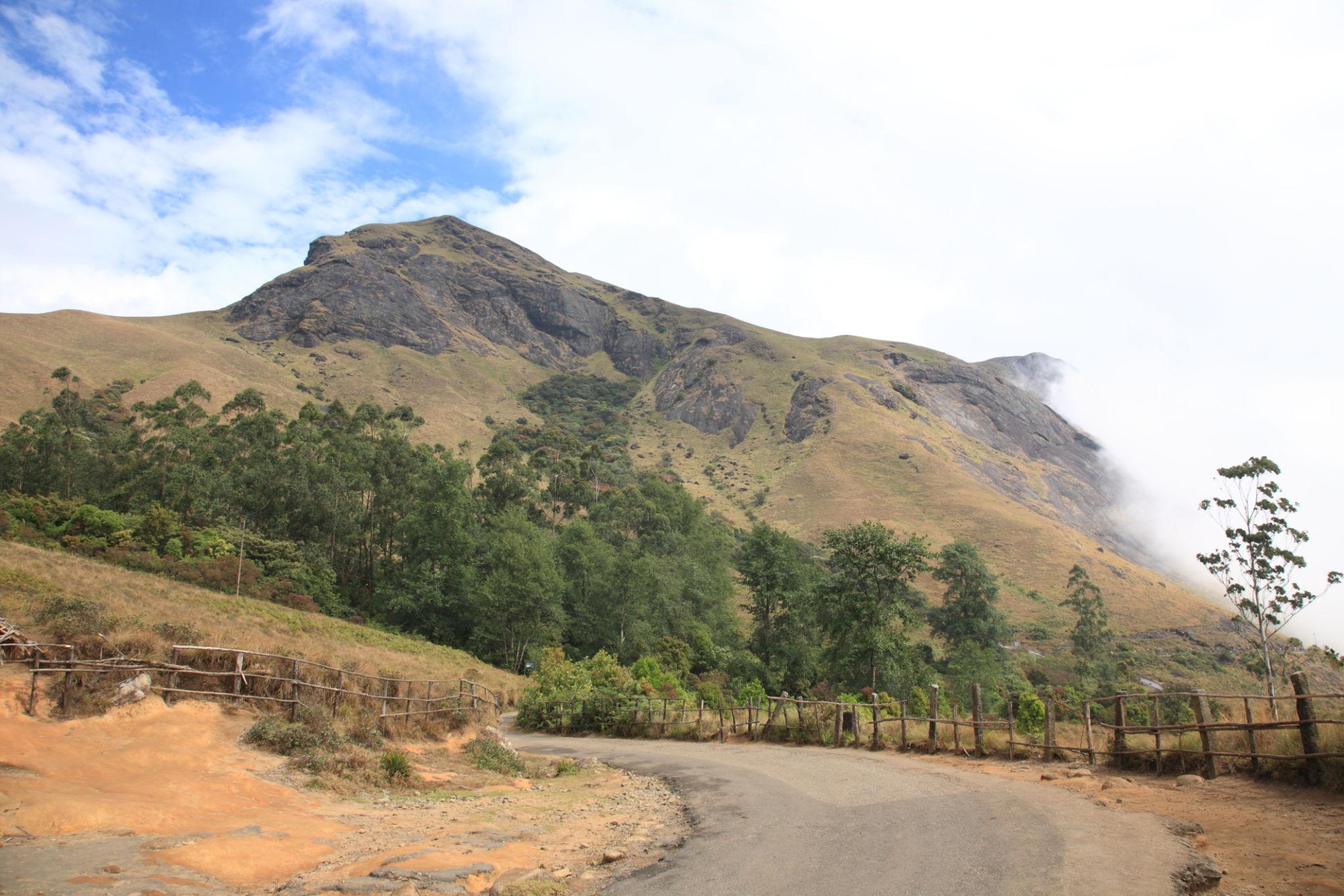
Environmental researchers have also raised alarms over growing ecological threats to the Western Ghats, one of the world’s richest biodiversity hotspots. A recent international study warned that mining, quarrying, and climate change are endangering fragile rocky plateaus and hill ecosystems that support rare species of amphibians, reptiles, and plants.
According to scientists, rising demand for minerals used in clean energy technologies may increase mining activity in ecologically sensitive regions. Conservationists argue that many of these landscapes are incorrectly classified as barren land despite their environmental significance.
The report has renewed calls for stronger environmental assessments and stricter protection measures in vulnerable habitats across India.
Citizens Step Forward to Protect Wildlife
In a heartening example of community-driven conservation, a youth group in Bidar has been helping wild animals survive the extreme summer heat by placing water containers inside forest regions. Volunteers regularly refill the containers to provide drinking water for monkeys, peacocks, and other wildlife affected by rising temperatures.
The initiative has drawn praise from environmentalists, who say such grassroots efforts play a crucial role in reducing human-animal conflict during heatwaves and drought-like conditions.
Climate Risks Continue to Rise
The recently released “State of India’s Environment 2026” report painted a concerning picture of the country’s environmental future. The report highlighted an increase in extreme weather events, growing flood risks, wildlife habitat pressure, and persistent pollution challenges. Experts warned that climate change impacts are becoming more visible across India, affecting agriculture, water resources, and public health.
Researchers also noted that several planetary environmental boundaries have already been breached globally, including climate change, biodiversity loss, and freshwater depletion. Environmental experts say India now faces the dual challenge of balancing economic development with ecological protection.
Growing Focus on Sustainable Development
The Ministry of Environment, Forest and Climate Change has continued promoting ecosystem restoration, wildlife conservation, and green infrastructure initiatives as part of the country’s broader sustainability goals. Government programmes focused on river rejuvenation, forest restoration, and biodiversity protection are expected to expand further in the coming years.
Environmental activists, however, maintain that stronger implementation, stricter pollution control, and greater citizen awareness are necessary to create lasting change.
As India grapples with rising climate pressures and ecological degradation, the latest developments underline a growing recognition that environmental protection is no longer optional but central to the nation’s future sustainability.

Note: Content and images are for informational use only. For any concerns, contact us at info@rajasthaninews.com.

Previous Post

Next Post
"इको-फ्रेंडली इनोवेश...
Related Post

_1787743895.jpg)


_1788366719.png)

_1788365907.png)
_1788365336.png)