

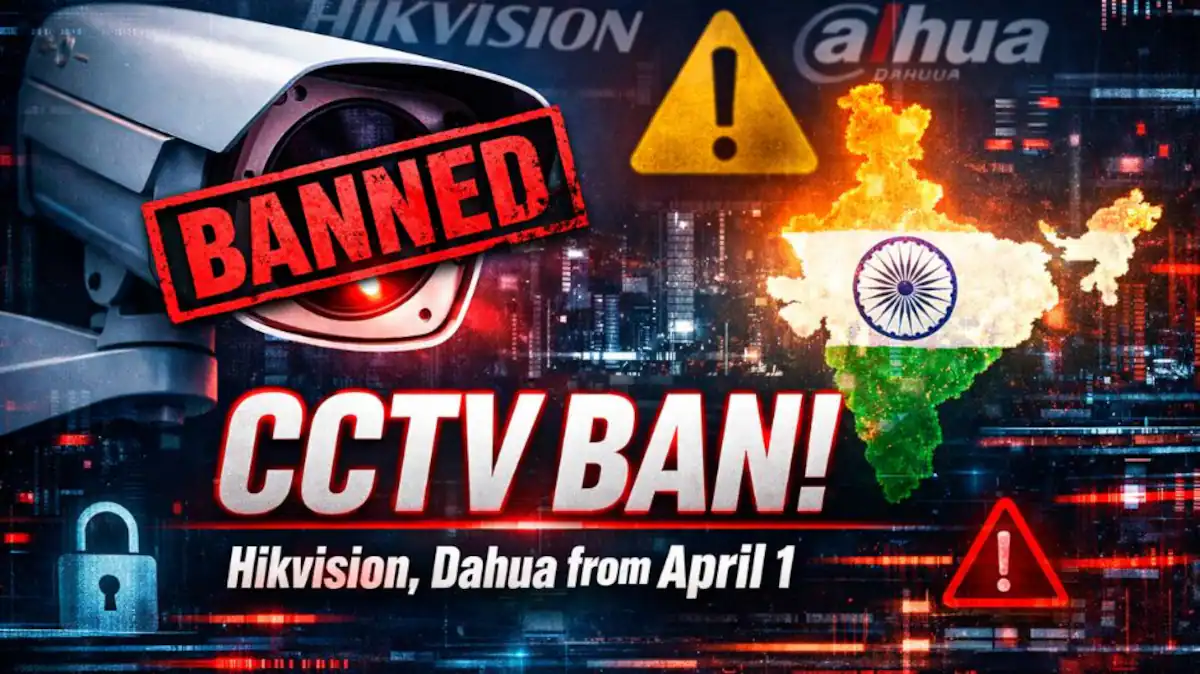
India’s decision to restrict Chinese CCTV giants Hikvision and Dahua marks a major shift in the country’s approach to digital security and surveillance infrastructure. Starting April 1, 2026, these companies are effectively being pushed out of the Indian market due to stricter regulatory requirements and the denial of mandatory certifications.
At the core of this move is the government’s refusal to grant Standardisation Testing and Quality Certification (STQC) approval to CCTV products that are either manufactured in China or rely on Chinese-origin components such as chipsets and firmware. Without this certification, companies cannot legally sell internet-connected CCTV systems in India.
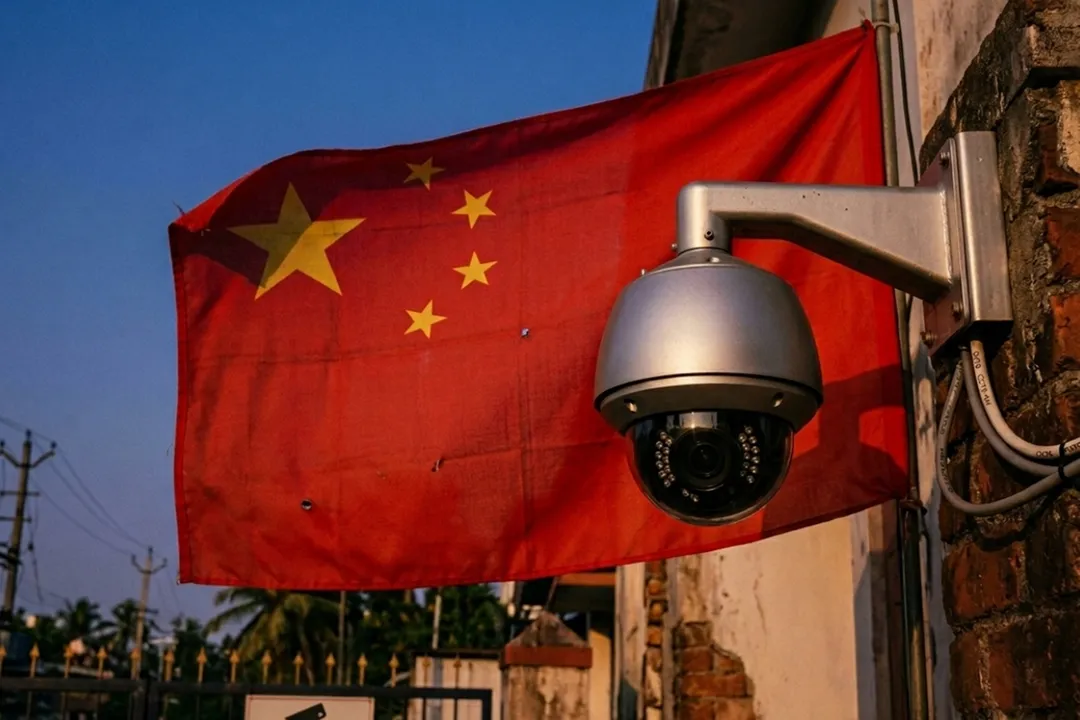
The decision is largely driven by national security and data privacy concerns. Surveillance systems are considered critical infrastructure, and experts have long warned that foreign-made devices—especially from countries with strict intelligence laws—could pose risks such as unauthorized data access or remote manipulation. India’s move aligns with similar actions taken by countries like the United States, the United Kingdom, and Australia, all of which have imposed restrictions on Chinese surveillance equipment.
Another key factor behind the restriction is India’s push for technological self-reliance (Atmanirbhar Bharat). By limiting Chinese participation, the government is encouraging domestic manufacturers to expand their footprint. As a result, Indian brands have already captured nearly 80% of the CCTV market, a significant rise compared to previous years when Chinese firms held a substantial share.
However, the transition is not without challenges. Industry experts predict that the exit of low-cost Chinese products could lead to price increases of 15–20% for CCTV systems in the short term. Consumers and businesses may face higher upfront costs, although proponents argue that improved security standards and locally controlled technology justify the increase.
The policy also has broader geopolitical implications. China has criticized India’s move, calling it discriminatory and a violation of trade principles. This development adds to the growing list of economic and technological tensions between the two nations, especially following earlier bans on Chinese apps and tighter foreign investment rules.
Importantly, the restriction does not immediately impact existing users of Hikvision or Dahua cameras. Current installations can continue to function, but future procurement will need to comply with the new certification norms. This ensures a gradual transition rather than a sudden disruption.
In conclusion, India’s restriction on Chinese CCTV brands represents a strategic balance between security, economic policy, and technological independence. While it may temporarily affect prices and supply chains, the move is expected to strengthen India’s surveillance ecosystem in the long run by promoting trusted, locally compliant technologies.
Note: Content and images are for informational use only. For any concerns, contact us at info@rajasthaninews.com.

Previous Post
Next Post
TSMC Optimistic Amid...
Related Post
_1787656777.jpg)
_1787582561.jpg)

_1788366719.png)

_1788365907.png)
_1788365336.png)