

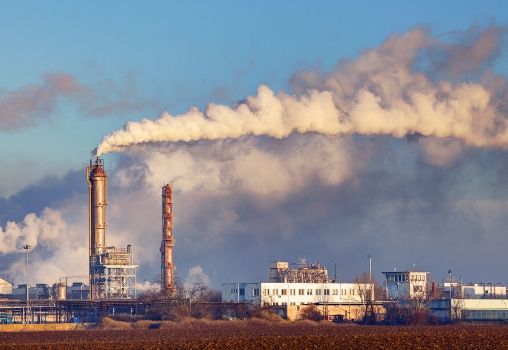
Smoke pollution is a silent yet deadly environmental crisis that is poisoning the air we breathe. It is caused by emissions from vehicles, industrial factories, crop stubble burning, fireworks, and the use of solid fuels like wood and coal in homes. These sources release toxic elements such as PM2.5, sulfur dioxide, nitrogen oxides, and carbon monoxide into the atmosphere.

The impact on human health is alarming — from asthma, bronchitis, and lung infections to irritation in the eyes and throat. Vulnerable groups such as children and the elderly are the worst affected. In addition, smoke pollution damages crops, hinders plant growth, and contributes to climate change and acid rain.
In India, cities like Delhi-NCR suffer from severe smoke pollution every winter, with AQI levels crossing hazardous limits. The government has introduced initiatives like NCAP (National Clean Air Programme), bans on crop burning, and incentives for green energy and electric vehicles.
But laws alone are not enough. Real change requires collective responsibility. Citizens must adopt sustainable habits — reduce vehicle use, avoid firecrackers, support afforestation, and raise awareness. Because until we act, every breath we take carries an invisible threat.
Note: Content and images are for informational use only. For any concerns, contact us at info@rajasthaninews.com.

Previous Post

Next Post
"इको-फ्रेंडली इनोवेश...
Related Post
_1787743895.jpg)

_1788282058.png)
_1788281507.png)
_1788280999.png)

_1788280346.png)