

Technology
Solar Grid Overhaul in Rajasthan: Power Network Upgraded for Rooftop and Decentralised Solar Energy
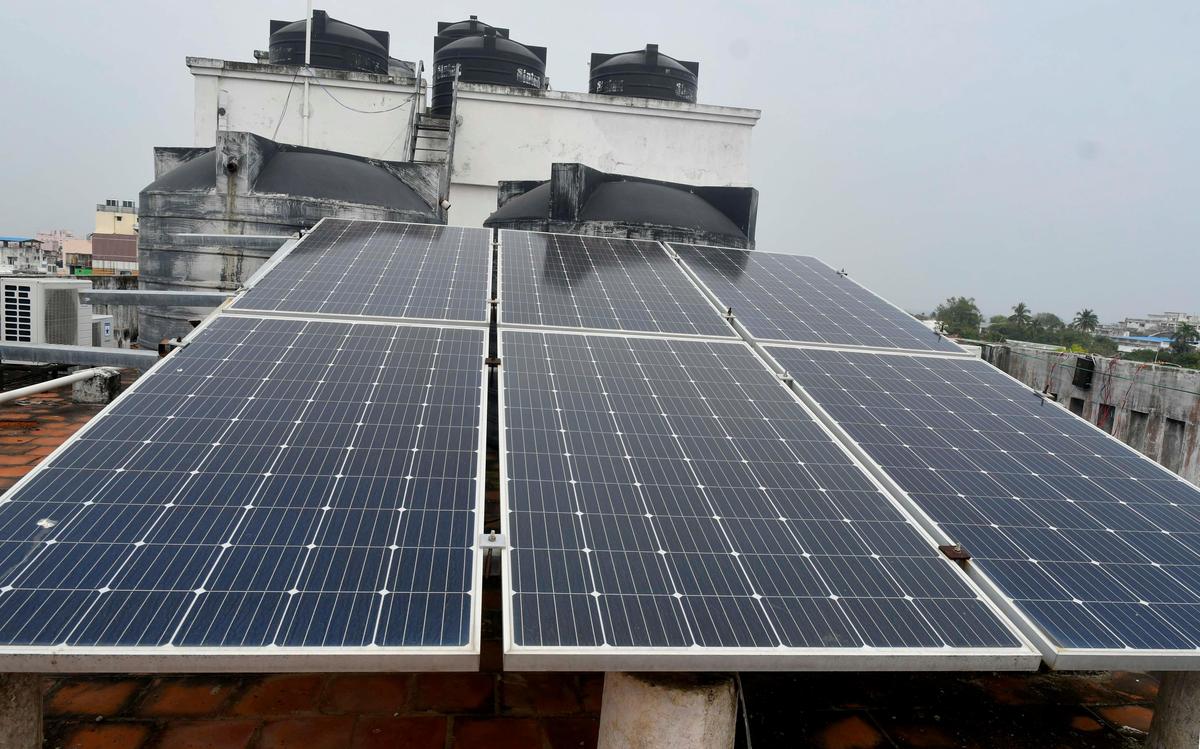
Rajasthan, one of India’s leading renewable energy states, is undertaking a major overhaul of its electricity distribution network to accommodate the rapid growth of solar power generation. With a massive surge in rooftop solar installations and feeder-level solar projects, the state is transitioning away from a traditional one-way power flow model to a modern, flexible grid capable of handling decentralised energy inputs.
Traditionally, electricity grids were designed for a single direction of power flow — from large power plants to consumers. However, the increasing adoption of rooftop solar panels by households, businesses, and public institutions has fundamentally changed this dynamic. Consumers are no longer just users of electricity; they are also producers, feeding surplus solar power back into the grid. This shift has created technical and operational challenges that Rajasthan’s existing infrastructure was not fully equipped to handle.
To address this, the state is revamping its distribution systems to support two-way power flow, advanced monitoring, and better load management. A key driver of this transformation is the PM-Kusum scheme, which promotes decentralised solar generation through solar-powered agricultural pumps and feeder-level solar plants. These initiatives aim not only to reduce farmers’ dependence on grid electricity but also to strengthen rural energy security.
The grid modernisation effort includes upgrading substations, installing smart meters, enhancing transformer capacity, and deploying digital control systems. These measures will help distribution companies manage voltage fluctuations, prevent overloading, and ensure grid stability even during periods of high solar generation. Improved forecasting tools and real-time data analytics are also being introduced to balance supply and demand more efficiently.
Another important aspect of the overhaul is reducing transmission losses and improving reliability, especially in remote and rural areas. By generating power closer to consumption points, decentralised solar systems reduce the strain on long-distance transmission lines. This not only improves efficiency but also lowers operational costs for distribution companies over the long term.
Rajasthan’s solar grid upgrade aligns with India’s broader renewable energy goals and climate commitments. As the state continues to add solar capacity at an unprecedented pace, a resilient and adaptable grid is essential to fully harness the benefits of clean energy. The transition also opens up opportunities for innovation, job creation, and private investment in smart grid technologies.
In the long run, this transformation will empower consumers, support farmers, and make Rajasthan’s power sector more sustainable and future-ready. By embracing decentralised energy and modern grid infrastructure, the state is setting an example for other regions navigating the shift towards a cleaner and more decentralised energy ecosystem.

Note: Content and images are for informational use only. For any concerns, contact us at info@rajasthaninews.com.

Previous Post

Next Post
TSMC Optimistic Amid...
Related Post

_1787656777.jpg)
_1787582561.jpg)
_1788282058.png)
_1788281507.png)
_1788280999.png)

_1788280346.png)