

Politics
Women’s Reservation Act: Plan to Expand Lok Sabha Seats for 33% Quota Before 2029 Elections
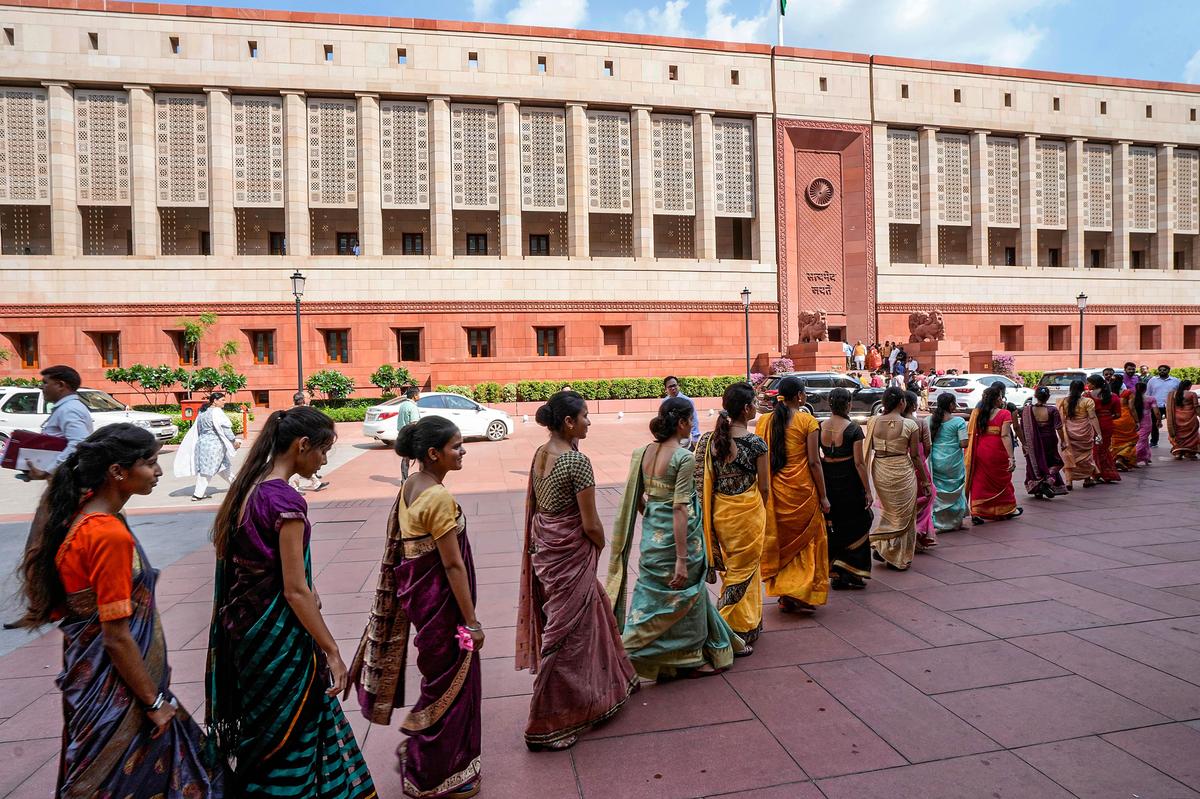
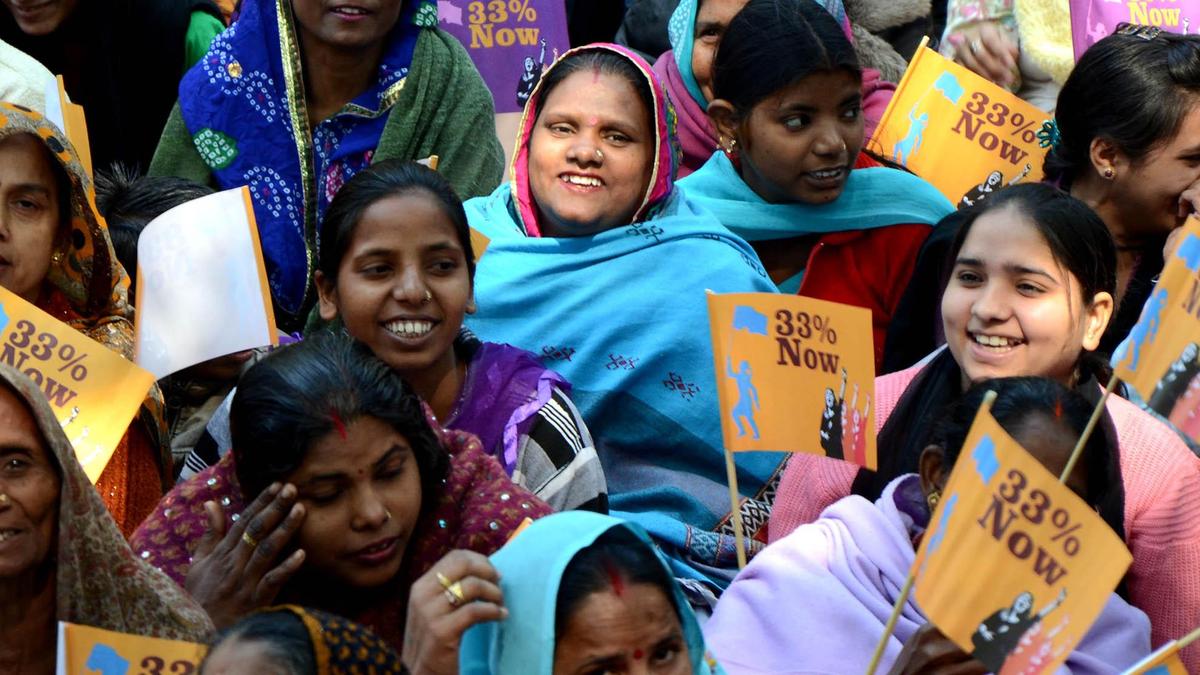
In a major step toward enhancing women’s political representation, the Indian government is reportedly planning amendments to the Women's Reservation Act to ensure the implementation of a 33% quota for women in the Lok Sabha before the 2029 general elections. This move is expected to bring transformative changes to India’s political landscape by increasing female participation in legislative decision-making.
A key aspect of this proposal involves expanding the total number of seats in the Lok Sabha. According to reports, the government is considering raising the seat count from the current 543 to approximately 816 or even 850 seats. This expansion is seen as a strategic approach to accommodate the reservation quota without significantly disrupting existing constituencies.
The Women’s Reservation Act aims to reserve one-third of all seats in the Lok Sabha and state legislative assemblies for women. While the bill has been a topic of debate for decades, its implementation has faced delays due to logistical and political challenges, including the need for constituency delimitation and census updates. By increasing the number of seats, the government may be attempting to streamline the process and overcome some of these hurdles.
The proposal has sparked widespread discussion among political analysts, policymakers, and the public. Supporters argue that increasing women’s representation in Parliament will lead to more inclusive governance, better policy outcomes, and stronger advocacy for issues affecting women. Studies have shown that higher female participation in politics often results in improved focus on education, healthcare, and social welfare.
However, critics have raised concerns about the feasibility and implications of such a significant expansion of parliamentary seats. Questions have been raised about infrastructure, administrative costs, and the practical challenges of managing a much larger legislative body. Additionally, the process of delimitation—redrawing constituency boundaries—will play a crucial role in determining how these additional seats are distributed across states.
The timing of the proposal is also politically significant, as the government aims to implement these changes before the 2029 general elections. If successfully executed, this reform could mark a historic milestone in India’s democratic journey, reshaping the composition of Parliament and setting a precedent for gender equality in politics.
The initiative aligns with global trends where countries are increasingly adopting measures to ensure better gender representation in governance. For India, a nation with a diverse and dynamic electorate, such reforms could help bridge longstanding gaps in political participation.
In conclusion, the proposed amendments to the Women’s Reservation Act, coupled with the expansion of Lok Sabha seats, represent a bold and ambitious reform. While challenges remain, the move has the potential to significantly empower women in Indian politics and strengthen the democratic framework of the country. As discussions continue, all eyes will be on how the government navigates the complexities of implementation in the coming years.
Note: Content and images are for informational use only. For any concerns, contact us at info@rajasthaninews.com.
Previous Post

Next Post
जीणमाता मंदिर के पट...
Related Post
_1788095186.jpg)
_1788366719.png)

_1788365907.png)
_1788365336.png)