

_1766393025.jpg)
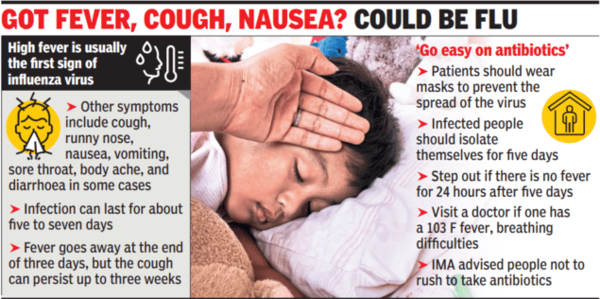
India has seen a noticeable rise in influenza alerts in recent weeks, prompting health authorities and medical professionals to urge caution, especially among vulnerable populations. Hospitals in several cities have reported an increase in patients presenting with flu-like symptoms, including fever, cough, sore throat, body aches, fatigue, and in some cases prolonged respiratory illness. While seasonal influenza is expected every year, the current spike has drawn attention due to its wider spread and persistence.
One of the key drivers behind the rising influenza cases is the circulation of the H3N2 strain of influenza A, which has been associated with more severe and longer-lasting symptoms compared to other seasonal flu viruses. Doctors have noted that many patients are experiencing high fever and cough lasting more than a week, sometimes requiring medical supervision. Alongside H3N2, other strains such as influenza B and H1N1 are also contributing to the seasonal surge.
Health experts say changing weather patterns, increased air pollution in urban areas, and higher population movement have played a role in the spread of influenza. As people spend more time indoors in poorly ventilated spaces, respiratory viruses find easier pathways to transmit. Schools, offices, public transport, and crowded marketplaces have emerged as common points of transmission.
State health departments have issued advisories asking citizens not to panic but to remain vigilant. Surveillance systems are actively monitoring influenza trends, and hospitals have been advised to ensure adequate availability of antiviral medicines, oxygen support, and isolation facilities for severe cases. Authorities have also emphasized that, so far, most cases remain mild to moderate and manageable with timely medical care.
Doctors have reiterated the importance of early diagnosis and treatment, particularly for high-risk groups such as senior citizens, young children, pregnant women, and people with underlying conditions like diabetes, heart disease, or weakened immunity. Delayed treatment, they warn, can increase the risk of complications such as pneumonia and secondary infections.
Preventive measures remain the most effective way to reduce the spread of influenza. Health experts advise frequent handwashing, wearing masks in crowded or enclosed spaces, covering the mouth while coughing or sneezing, and avoiding close contact with people showing flu symptoms. Seasonal influenza vaccination is also being recommended, especially for those at higher risk, as it can reduce the severity of illness even if infection occurs.
The rising influenza alerts serve as a reminder that respiratory infections continue to pose a public health challenge, even outside pandemic scenarios. While the situation in India does not currently indicate a nationwide emergency, sustained monitoring and public awareness are crucial to preventing further escalation. By following basic precautions and seeking timely medical care, the impact of seasonal influenza can be effectively controlled.
Note: Content and images are for informational use only. For any concerns, contact us at info@rajasthaninews.com.

Previous Post

Next Post
40 के बाद शर्ट से बा...
Related Post




_1788366719.png)

_1788365907.png)
_1788365336.png)