

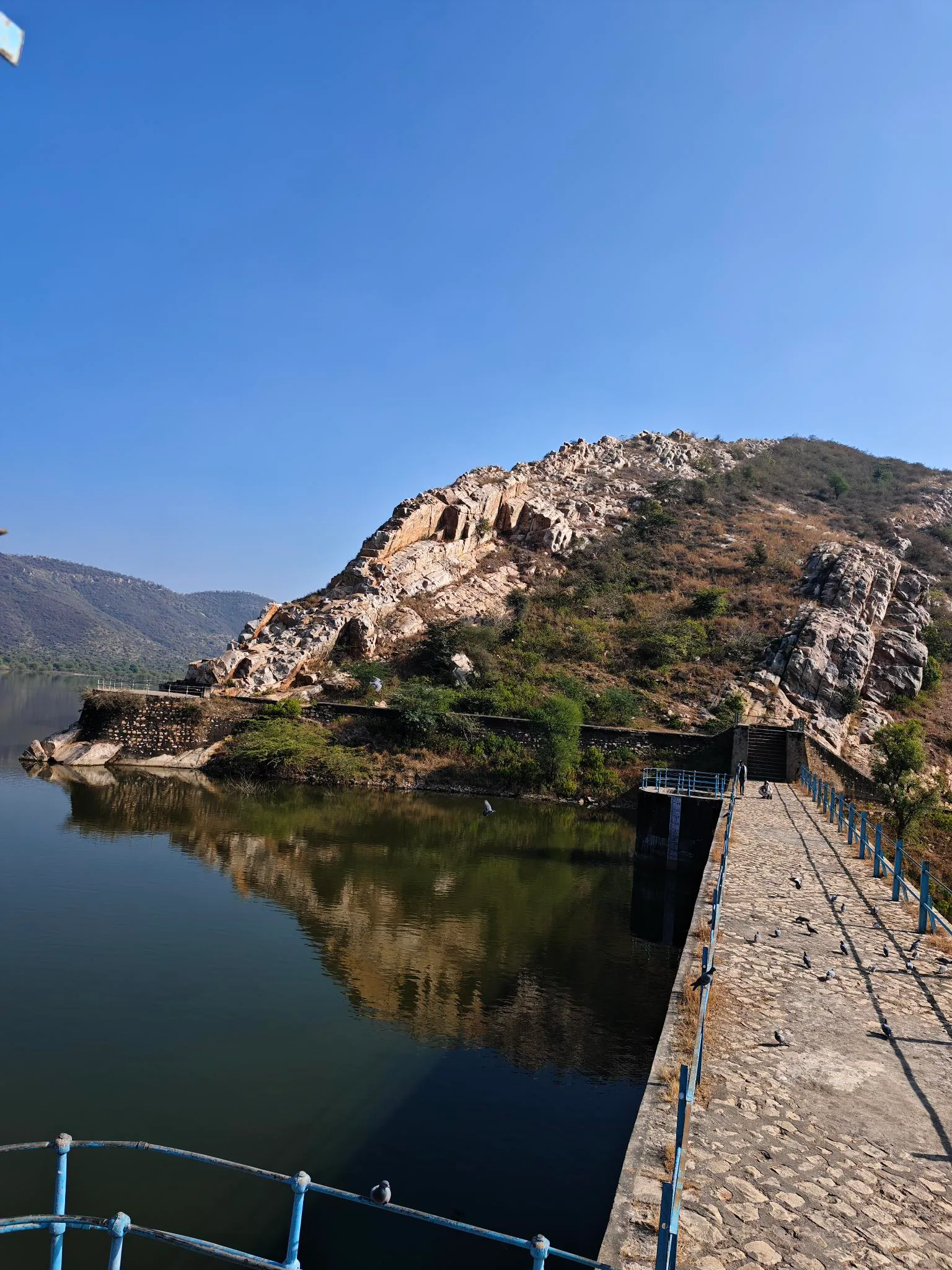
The Aravalli Hills, one of the world’s oldest mountain ranges, have become the focus of ongoing debates in India over environmental protection, development priorities, and regulatory enforcement. Stretching across Gujarat, Rajasthan, Haryana, and Delhi, the Aravallis play a critical ecological role as a natural barrier against desertification, a groundwater recharge zone, and a biodiversity hotspot. Yet, decades of mining, urban expansion, and policy ambiguity have placed the fragile range under severe threat.
Environmentalists argue that the degradation of the Aravallis has accelerated climate vulnerability in northwestern India. The hills act as a buffer against the spread of the Thar Desert and help regulate temperature and rainfall patterns in the National Capital Region (NCR). Large-scale deforestation and illegal mining have stripped vast stretches of vegetation, leading to soil erosion, declining groundwater levels, and rising air pollution, particularly dust storms that affect Delhi and neighbouring cities.
At the heart of the debate lies the issue of legal protection. Unlike many forested regions in India, large parts of the Aravallis do not fall clearly under protected forest categories. Over the years, changes in land classification — from forest to “gair mumkin pahad” (non-cultivable hill land) or revenue land — have allowed mining and construction activities to continue despite environmental restrictions. Conservation groups contend that this administrative ambiguity has been exploited to bypass environmental safeguards.
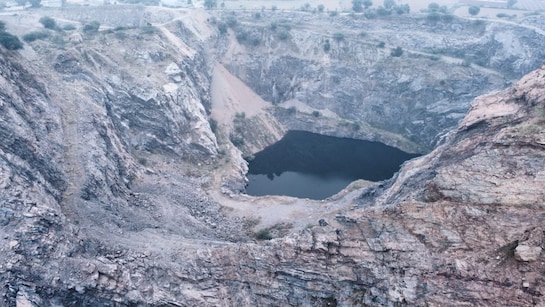
Mining has been one of the most contentious issues. Although the Supreme Court has imposed restrictions on mining activities in parts of the Aravalli range, reports of illegal extraction continue to surface, particularly in Rajasthan and Haryana. Stone quarrying and mineral extraction have not only scarred the landscape but also disrupted wildlife corridors and local ecosystems. Critics say enforcement remains weak, with penalties failing to deter repeat violations.
On the other side of the debate, state governments and industry stakeholders argue that development needs cannot be ignored. Rapid urbanisation, infrastructure projects, and housing demands in rapidly growing regions such as Gurugram and Faridabad have increased pressure on land in and around the Aravallis. Officials often cite economic growth, employment generation, and urban planning needs to justify selective relaxations in environmental norms.
Recent policy proposals have further intensified concerns. Draft amendments to environmental and forest regulations have been criticised for potentially diluting protections for ecologically sensitive areas like the Aravallis. Environmental experts warn that weakening oversight could lead to irreversible damage, pushing the already stressed ecosystem past a tipping point.
Scientists and conservationists emphasise that protecting the Aravallis is not merely about preserving hills but safeguarding long-term ecological stability. Restoring degraded areas through afforestation, clearly demarcating forest land, strengthening monitoring mechanisms, and involving local communities are seen as essential steps toward sustainable conservation.
As climate change amplifies extreme weather events and water scarcity, the debate over the Aravalli Hills reflects a larger national challenge — balancing development with environmental responsibility. The future of the ancient range may ultimately depend on whether policy decisions prioritise short-term economic gains or long-term ecological security for millions who depend on its natural functions.
Note: Content and images are for informational use only. For any concerns, contact us at info@rajasthaninews.com.

Previous Post

Next Post
"इको-फ्रेंडली इनोवेश...
Related Post

_1787743895.jpg)


_1788366719.png)

_1788365907.png)
_1788365336.png)