

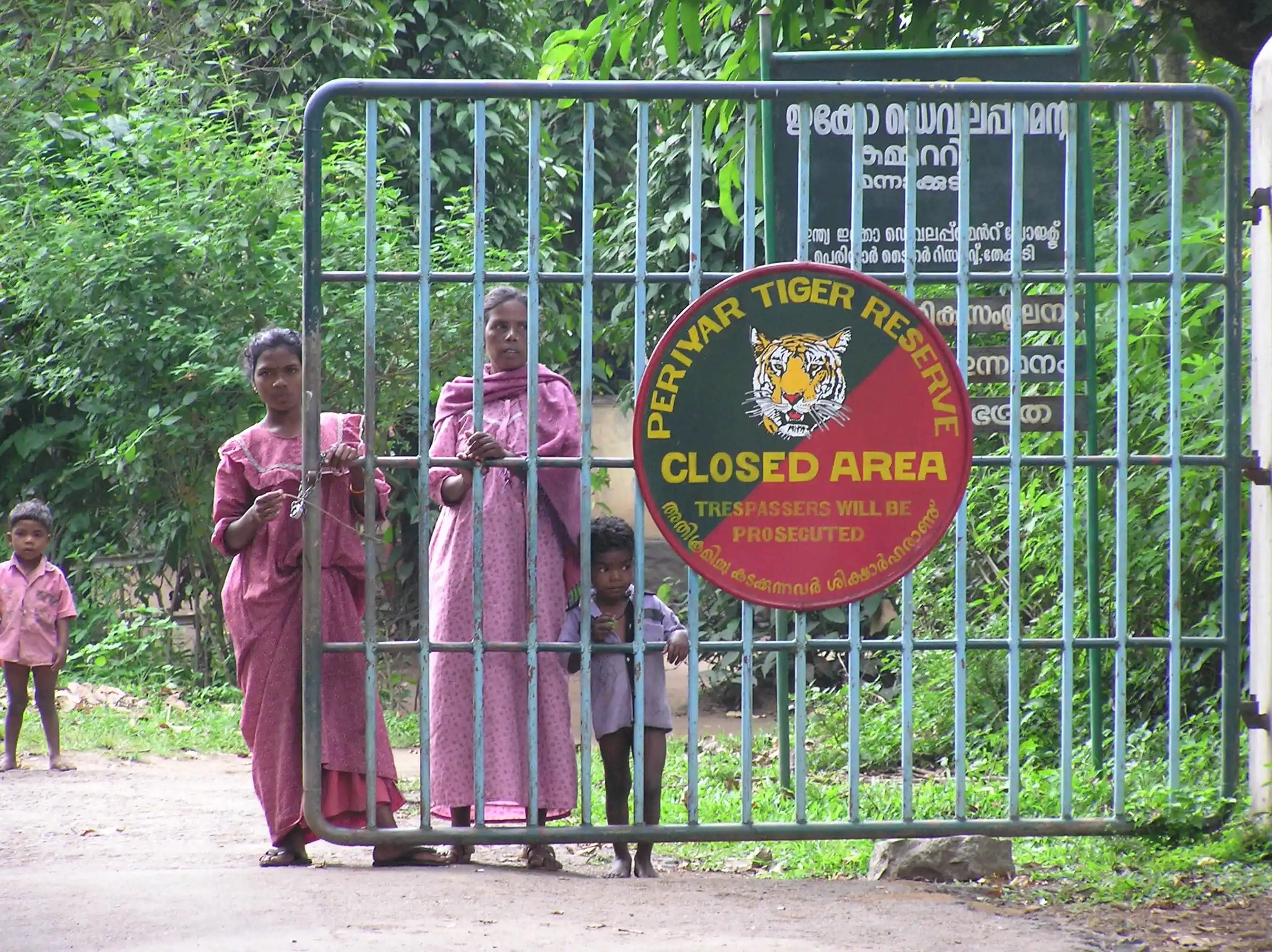
India has significantly expanded its network of protected areas over the past few decades, adding national parks, wildlife sanctuaries, and conservation reserves to safeguard its rich natural heritage. Today, nearly five per cent of the country’s geographical area falls under some form of legal protection. However, scientists and conservationists are increasingly concerned that this expansion has not translated into a corresponding halt in biodiversity loss, raising critical questions about the effectiveness of current conservation strategies.
Several studies and field assessments indicate that while protected areas have grown in number and size, many continue to suffer from habitat degradation, fragmentation, and human pressures. In many cases, protection exists largely on paper, with limited on-ground enforcement and inadequate resources for management. Illegal activities such as poaching, logging, mining, and encroachment persist even within designated protected zones, undermining conservation goals.
One major concern is that many protected areas were designated based on land availability rather than ecological priorities. As a result, some biologically rich ecosystems, especially grasslands, wetlands, and coastal habitats, remain underrepresented in India’s conservation network. Meanwhile, forested protected areas may not always encompass the full range of species’ habitats, limiting their effectiveness in preserving biodiversity at a landscape level.
Another challenge lies in isolation of protected areas. Wildlife habitats are increasingly surrounded by agriculture, infrastructure projects, and urban expansion, turning many reserves into ecological islands. This isolation restricts animal movement, disrupts genetic exchange, and increases the risk of local extinctions. Species such as elephants, tigers, and leopards often move beyond protected boundaries, leading to rising human–wildlife conflict and further threats to both people and animals.
Climate change has added a new layer of complexity to conservation efforts. Shifting rainfall patterns, rising temperatures, and extreme weather events are altering habitats faster than many species can adapt. Static protected area boundaries may no longer align with the changing ecological needs of wildlife, making traditional conservation models less effective in the long term.
Governance and community engagement also play a crucial role. In several regions, conservation initiatives have struggled due to limited involvement of local communities who depend on forests and natural resources for their livelihoods. Excluding these communities without providing sustainable alternatives can lead to resistance, illegal resource use, and weakened conservation outcomes. Experts argue that conservation efforts must move beyond exclusionary models and adopt community-inclusive and landscape-level approaches.
Despite these challenges, protected areas remain an essential pillar of biodiversity conservation. However, experts stress that expansion alone is insufficient. There is a growing call for improved management effectiveness, stronger enforcement, ecological connectivity through wildlife corridors, and better integration of conservation goals into development planning.
As India pursues economic growth and infrastructure expansion, balancing development with ecological sustainability has become increasingly urgent. Addressing biodiversity loss will require not just more protected areas, but smarter, science-driven conservation policies that prioritise habitat quality, connectivity, climate resilience, and community participation. Without such reforms, the promise of India’s protected area network risks falling short in safeguarding the country’s extraordinary biodiversity.

Note: Content and images are for informational use only. For any concerns, contact us at info@rajasthaninews.com.

Previous Post

Next Post
"इको-फ्रेंडली इनोवेश...
Related Post
_1787743895.jpg)

_1788282058.png)
_1788281507.png)
_1788280999.png)

_1788280346.png)