

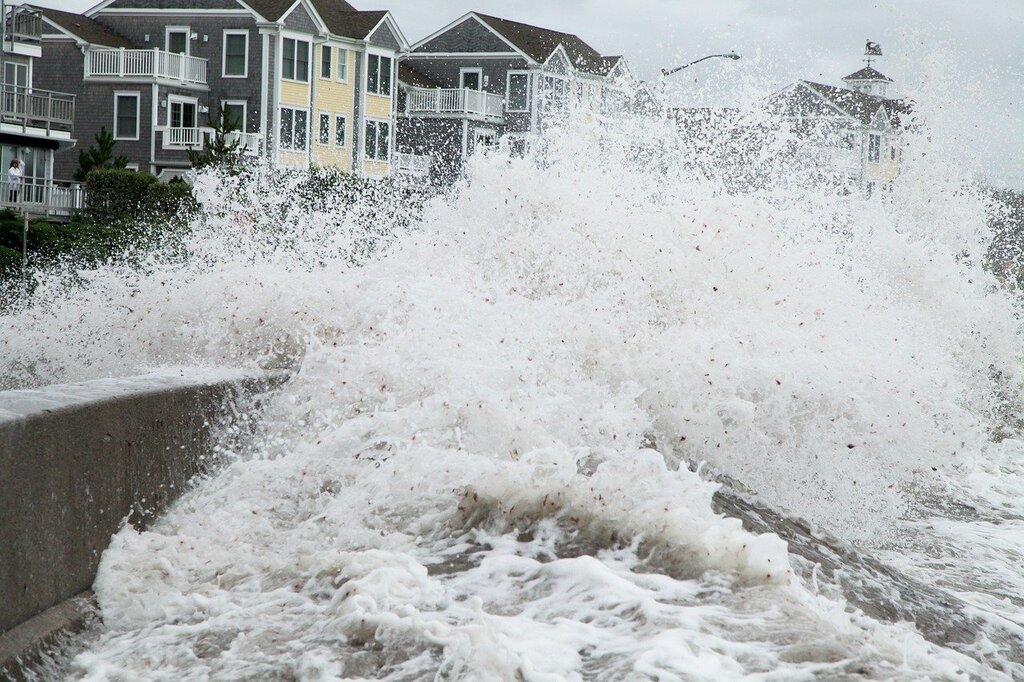
Scientific research continues to reinforce a growing consensus: climate change is making storms more destructive and deadly while simultaneously accelerating sea-level rise. The primary driver behind this intensification is the increasing amount of heat and moisture being added to the Earth’s climate system as a result of rising greenhouse gas emissions.
As global temperatures climb, oceans absorb the majority of the excess heat trapped in the atmosphere. Warmer ocean waters provide the essential energy that fuels powerful storms, particularly tropical cyclones, hurricanes, and typhoons. When storms move over unusually warm seas, they can rapidly intensify, developing stronger winds, lower central pressure, and more destructive storm systems in a shorter period of time than previously observed.
In addition to heating the oceans, climate change increases the amount of moisture the atmosphere can hold. Warmer air retains more water vapour, which directly contributes to heavier rainfall during storms. Scientific studies have shown that for every degree Celsius of warming, the atmosphere can hold about seven percent more moisture. This extra moisture is released during storms, leading to more intense downpours, widespread flooding, and longer-lasting rainfall events that overwhelm drainage systems and rivers.
Storm surge — the abnormal rise in sea level during a storm — has also become more dangerous due to climate change. Rising sea levels mean that storms start from a higher baseline, allowing surges to travel farther inland and inundate coastal communities. Even moderate storms can now cause severe coastal flooding in regions already experiencing sea-level rise, amplifying damage to infrastructure, homes, and ecosystems.
The combination of warmer oceans, higher atmospheric moisture, and elevated sea levels creates a compounding effect. Stronger winds push larger volumes of water onshore, while heavier rainfall floods areas from above and below simultaneously. This “double impact” has been observed in recent extreme weather events around the world, where storms have caused unprecedented flooding, power outages, and loss of life.
Scientists emphasize that while climate change may not necessarily increase the total number of storms globally, it is significantly increasing the intensity of the strongest ones. Extreme storms are becoming more likely to reach higher categories, intensify rapidly, and produce record-breaking rainfall and storm surges.
The findings carry serious implications for disaster preparedness and climate policy. Coastal cities, low-lying islands, and flood-prone regions face increasing risks unless adaptation measures such as improved infrastructure, early-warning systems, and coastal defenses are strengthened. At the same time, researchers stress that reducing greenhouse gas emissions remains essential to limit future warming and prevent even more severe storm impacts.
As scientific evidence continues to mount, the message is clear: climate change is no longer a distant threat but a present force reshaping weather patterns, amplifying storms, and raising sea levels with potentially devastating consequences for communities worldwide.

Note: Content and images are for informational use only. For any concerns, contact us at info@rajasthaninews.com.

Previous Post

Next Post
"इको-फ्रेंडली इनोवेश...
Related Post
_1787743895.jpg)

_1788282058.png)
_1788281507.png)
_1788280999.png)

_1788280346.png)