


Concerns over the circulation of counterfeit rabies vaccines in India have intensified, raising alarm among public health experts, regulators, and international health authorities. Rabies, a viral disease that is almost always fatal once symptoms appear, relies heavily on timely and effective vaccination for prevention. The presence of fake or substandard vaccines threatens to undermine years of progress in rabies control and puts thousands of lives at risk.
The issue came into sharper focus after reports emerged that counterfeit versions of widely used rabies vaccines were detected in parts of India. These fake doses closely resembled genuine products in packaging and labeling, making them difficult to identify for both healthcare providers and patients. In some cases, the counterfeit vaccines were found to contain little or no active ingredient, rendering them ineffective in providing immunity against the rabies virus.
International concern has also grown, with foreign health agencies issuing advisories to travellers who received rabies vaccinations in India during the affected period. Such advisories warned that individuals vaccinated with suspected counterfeit doses might not be adequately protected and could require revaccination or further medical evaluation. These alerts have highlighted the global implications of the issue, given India’s role as a major destination for international travellers and medical tourists.
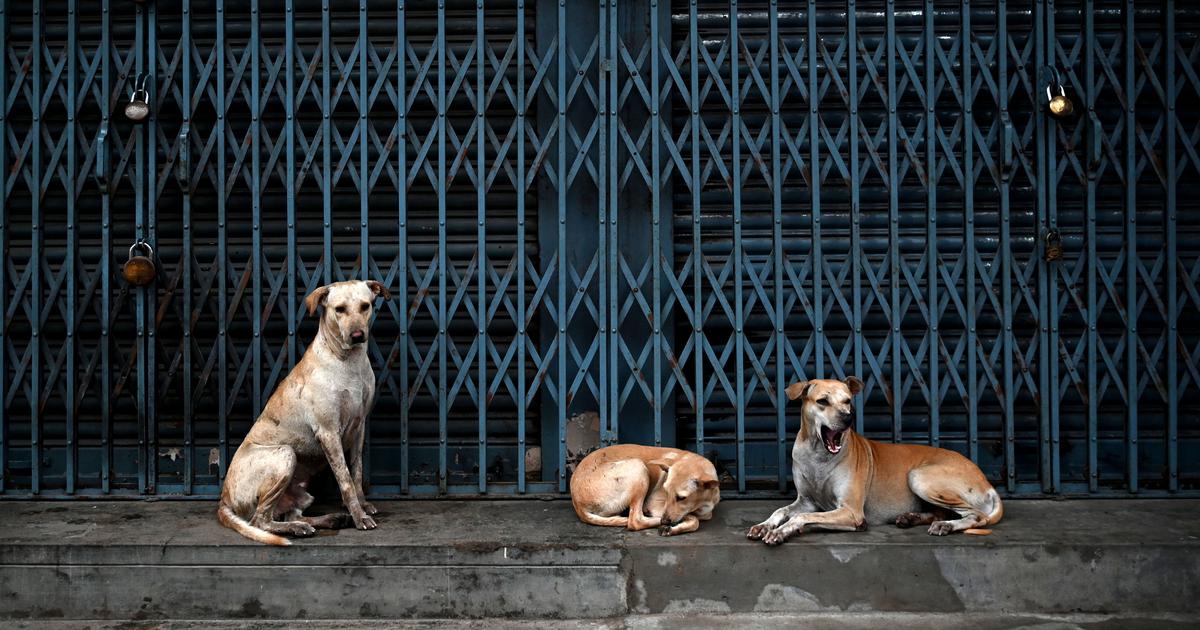
Rabies remains a significant public health challenge in India, accounting for a substantial proportion of global rabies-related deaths each year. Dog bites are the most common source of infection, and post-exposure prophylaxis — including rabies vaccination — is critical to preventing fatal outcomes. The circulation of counterfeit vaccines not only places bite victims at direct risk but also erodes public confidence in immunisation programmes.
Indian drug regulators and health authorities have initiated investigations to trace the source of the counterfeit vaccines and remove them from the supply chain. Efforts are underway to strengthen monitoring mechanisms, improve batch verification, and enhance coordination between manufacturers, distributors, and enforcement agencies. Experts have stressed the need for stricter penalties for those involved in producing and distributing fake medicines.
Healthcare professionals have been advised to procure vaccines only from authorised suppliers and to maintain proper documentation and cold-chain protocols. Patients, meanwhile, are being urged to seek treatment at government hospitals or reputable medical centres and to verify vaccination records whenever possible.
The counterfeit rabies vaccine issue underscores broader challenges in pharmaceutical regulation and supply-chain security. As India continues to play a central role in global healthcare and vaccine production, ensuring the integrity of medicines within its borders is crucial not only for domestic health outcomes but also for international trust.
Public health experts warn that combating counterfeit vaccines will require sustained regulatory vigilance, public awareness, and collaboration across agencies. With rabies being entirely preventable through effective vaccination, addressing this threat swiftly and decisively remains a matter of life and death.
Note: Content and images are for informational use only. For any concerns, contact us at info@rajasthaninews.com.
Previous Post

Next Post
40 के बाद शर्ट से बा...
Related Post




_1788366719.png)

_1788365907.png)
_1788365336.png)