

Environment
Two New Jumping Spider Species Discovered in Meghalaya: ZSI Expands Northeast’s Arachnid Diversity
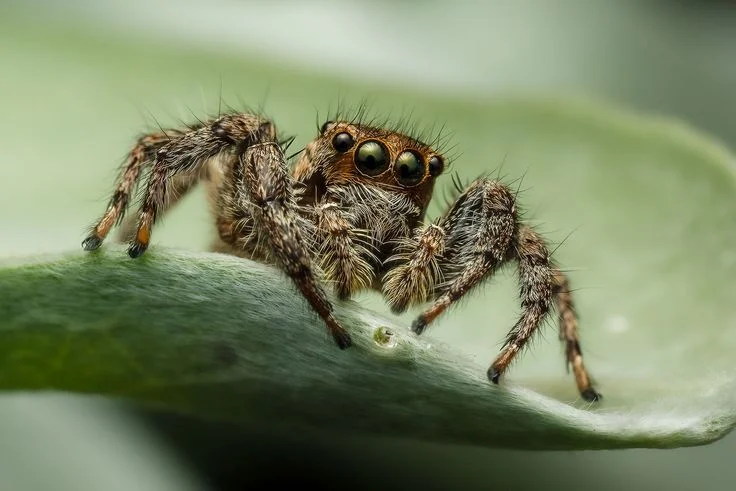
The Zoological Survey of India (ZSI) has announced the discovery of two new species of jumping spiders in Meghalaya, adding yet another chapter to the state’s remarkable biodiversity. The newly documented species—Asemonea dentis and Colyttus nongwar—were recorded from ecologically rich forested regions and represent a significant addition to the growing list of arachnid fauna in north-eastern India. With this breakthrough, scientists highlight how Meghalaya continues to be a hotspot for previously unknown species, emphasizing the importance of sustained exploration in the region.
Jumping spiders, belonging to the family Salticidae, are known for their exceptional vision, vibrant colors, complex courtship displays, and agile movement. They play an important ecological role as natural predators of insects, helping maintain the balance of forest ecosystems. Despite their global distribution, many species remain undocumented, especially in biodiverse yet understudied landscapes like those of Meghalaya.
Asemonea dentis
The first species, Asemonea dentis, belongs to the rare genus Asemonea, known for its delicate appearance and semi-aquatic behavior. Unlike typical jumping spiders that actively leap on prey, this genus relies more on stealth and quick movement. The species name “dentis” refers to a tooth-like morphological feature observed during microscopic examination. Found in moist and shaded habitats, A. dentis showcases how microhabitats in Meghalaya nurture highly specialized and lesser-known arachnids.
Colyttus nongwar
The second species, Colyttus nongwar, has been named in honor of Nongwar, a locality associated with its discovery. This species belongs to a visually striking genus characterized by bold coloration and a more active predatory pattern. The detailed documentation of C. nongwar includes its unique body patterns, eye arrangement, and reproductive structures—all critical in distinguishing it from closely related species. The discovery also marks one of the few records of this genus in the Indian subcontinent.
A Boost to Biodiversity Mapping in Northeast India
These findings underscore the immense biological richness of Meghalaya, which forms part of the Indo-Burma biodiversity hotspot, one of the planet’s most ecologically significant regions. ZSI researchers emphasize that many areas in the Northeast remain biologically unexplored, and further surveys could reveal even more undiscovered species across taxa. Such discoveries help expand scientific understanding, support conservation planning, and highlight the need to preserve fragile habitats threatened by development, mining, and climate change.
Ecological Significance
Jumping spiders serve as excellent indicators of ecosystem health due to their sensitivity to habitat disturbance. Documenting new species provides insights into environmental changes and helps assess the state of forest ecosystems. Moreover, the presence of such diverse spider species points to a healthy insect population and balanced predator-prey relationships.
The Road Ahead
With these new records, scientists hope to encourage more field-based research in Meghalaya and other northeastern states. Strengthening taxonomic studies, training local researchers, and preserving natural forests will be essential to protect and understand the region’s rich but vulnerable biodiversity.
Note: Content and images are for informational use only. For any concerns, contact us at info@rajasthaninews.com.

Previous Post

Next Post
"इको-फ्रेंडली इनोवेश...
Related Post
_1787743895.jpg)

_1788282058.png)
_1788281507.png)
_1788280999.png)

_1788280346.png)