

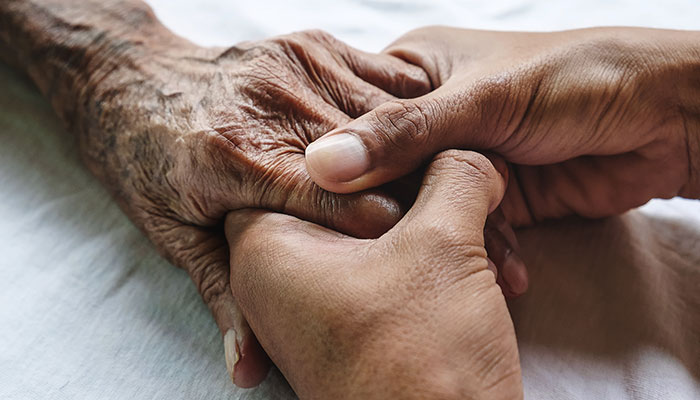
Cancer survival rates have improved dramatically over the past decades, offering hope to millions. However, new studies indicate that long-term survivors may face a lesser-known consequence: accelerated aging.
Experts report that individuals who have undergone extensive cancer treatments often experience early onset of age-related conditions such as heart disease, diabetes, osteoporosis, and cognitive decline. This phenomenon is believed to result from the long-term effects of chemotherapy, radiation, and other therapies on the body’s cells and tissues.
According to oncologists, while surviving cancer is a monumental achievement, the treatments themselves can leave lasting scars on the body’s physiological systems. DNA damage, chronic inflammation, and hormonal changes are cited as potential mechanisms driving premature aging in survivors.
Psychological and emotional tolls also contribute. Many survivors report fatigue, sleep disturbances, and mental health challenges that mirror conditions typically associated with older adults. These factors can exacerbate the physical symptoms of accelerated aging, creating a cycle of health complications.
Research emphasizes the importance of targeted follow-up care. Survivors may benefit from specialized health screenings, personalized exercise programs, nutrition plans, and cognitive therapy to mitigate long-term risks. Health professionals advocate for survivorship clinics that focus not only on cancer recurrence but also on holistic well-being and quality of life.
The findings serve as a reminder that surviving cancer is just one part of the journey. Awareness of these hidden health consequences is crucial for both survivors and healthcare providers to proactively manage aging-related risks.
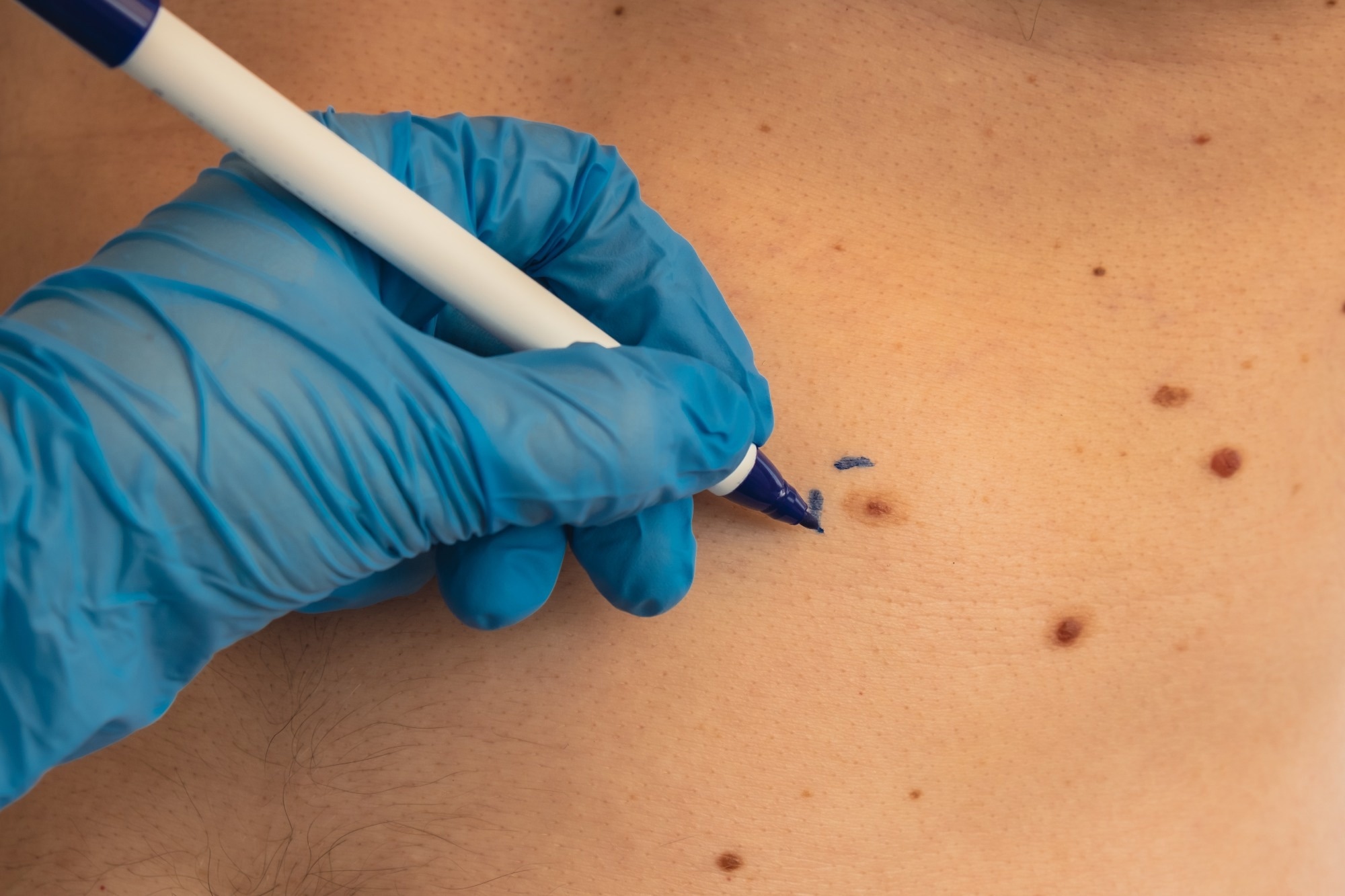
Experts stress the need for ongoing research to better understand the biological mechanisms behind accelerated aging in cancer survivors, aiming to develop interventions that can improve long-term health outcomes and life expectancy.
Ultimately, while cancer survival is a triumph of modern medicine, this emerging evidence underscores the importance of continued support and monitoring to ensure survivors can enjoy healthy, fulfilling lives well beyond their initial recovery.
Note: Content and images are for informational use only. For any concerns, contact us at info@rajasthaninews.com.
Previous Post

Next Post
40 के बाद शर्ट से बा...
Related Post

_1787656514.jpg)
_1788282058.png)
_1788281507.png)
_1788280999.png)

_1788280346.png)