

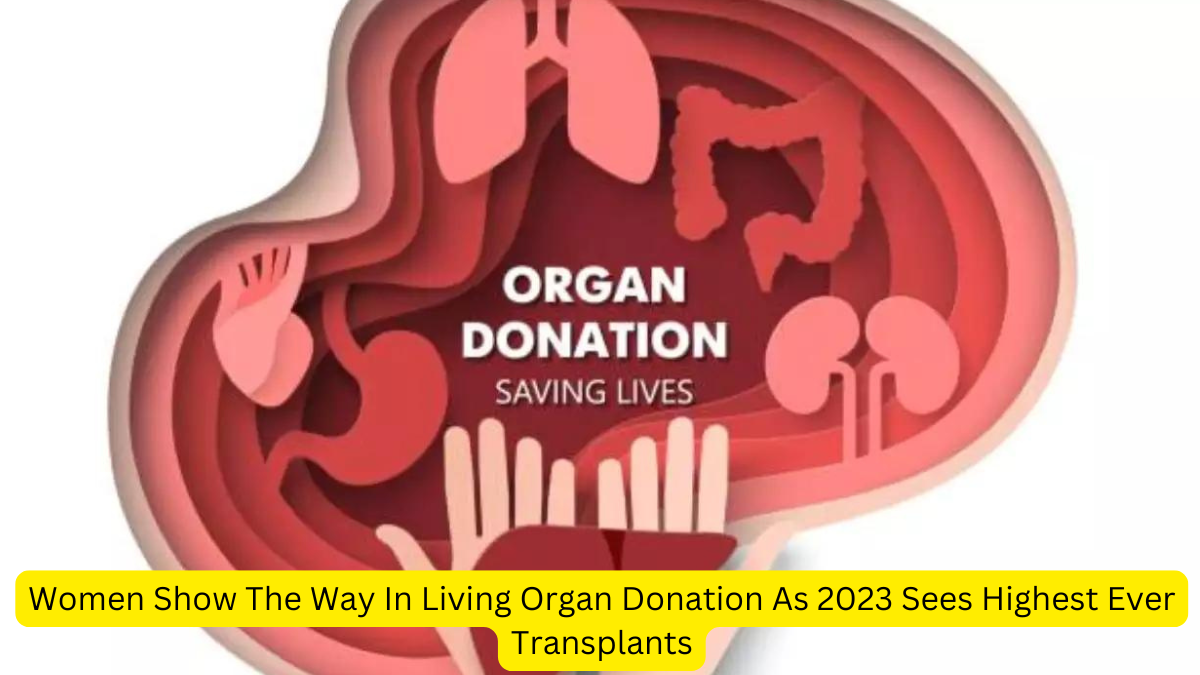
Women in India are showing a greater willingness than men to donate organs after death, according to data from 21 major States, where 17 reported higher female participation in posthumous organ donation pledges. The trend highlights a notable gender difference in attitudes towards organ donation and points to the critical role women play in strengthening India’s deceased organ donation ecosystem.
Posthumous organ donation remains a vital but underdeveloped component of India’s healthcare system. Despite advances in transplant infrastructure and awareness campaigns, the country continues to face a wide gap between the demand for organs and their availability. Against this backdrop, the finding that women are more willing donors in a majority of States offers both encouragement and insight for policymakers and healthcare advocates.
Experts suggest that higher willingness among women may be linked to stronger health awareness, caregiving roles within families, and greater responsiveness to social and community-driven causes. Women are often primary healthcare decision-makers in households, which may translate into higher sensitivity towards issues such as saving lives through organ donation. Social attitudes around empathy, altruism, and community responsibility could also be contributing factors.
However, the data also reveals a paradox. While women express higher willingness to donate organs posthumously, men continue to make up a larger share of actual organ donors in several regions. Medical professionals point out that this gap may be influenced by factors such as higher rates of fatal road accidents among men, occupational risks, and differences in mortality patterns. As a result, expressed willingness does not always translate into realised donations.
The State-wise variations are equally telling. Cultural norms, education levels, effectiveness of awareness campaigns, and local healthcare infrastructure play a significant role in shaping public attitudes towards organ donation. States with strong public health outreach and transparent transplant systems tend to record higher overall willingness among both men and women.
Public health advocates argue that these findings should guide future organ donation campaigns. Tailored messaging that addresses male hesitancy, dispels myths, and promotes family consent could help bridge the gender gap in willingness. At the same time, empowering women as ambassadors for organ donation within communities may further amplify positive attitudes and normalise conversations around posthumous donation.
India’s organ donation rate remains significantly lower than that of many developed nations, underscoring the urgent need for sustained public engagement. Encouraging open family discussions, simplifying pledge processes, and building trust in the healthcare system are seen as key steps towards improving donation outcomes.
Overall, the higher willingness among women to donate organs posthumously reflects an important social trend that can be leveraged to strengthen India’s organ donation framework. By addressing barriers to consent and conversion, and by recognising gender-specific attitudes, India can move closer to bridging the gap between organ demand and availability—ultimately saving thousands of lives each year.
/english-betterindia/media/post_attachments/uploads/2015/07/organ-donation-ashoka-featured-image.png)
Note: Content and images are for informational use only. For any concerns, contact us at info@rajasthaninews.com.
Previous Post

Next Post
40 के बाद शर्ट से बा...
Related Post



_1788366719.png)

_1788365907.png)
_1788365336.png)