

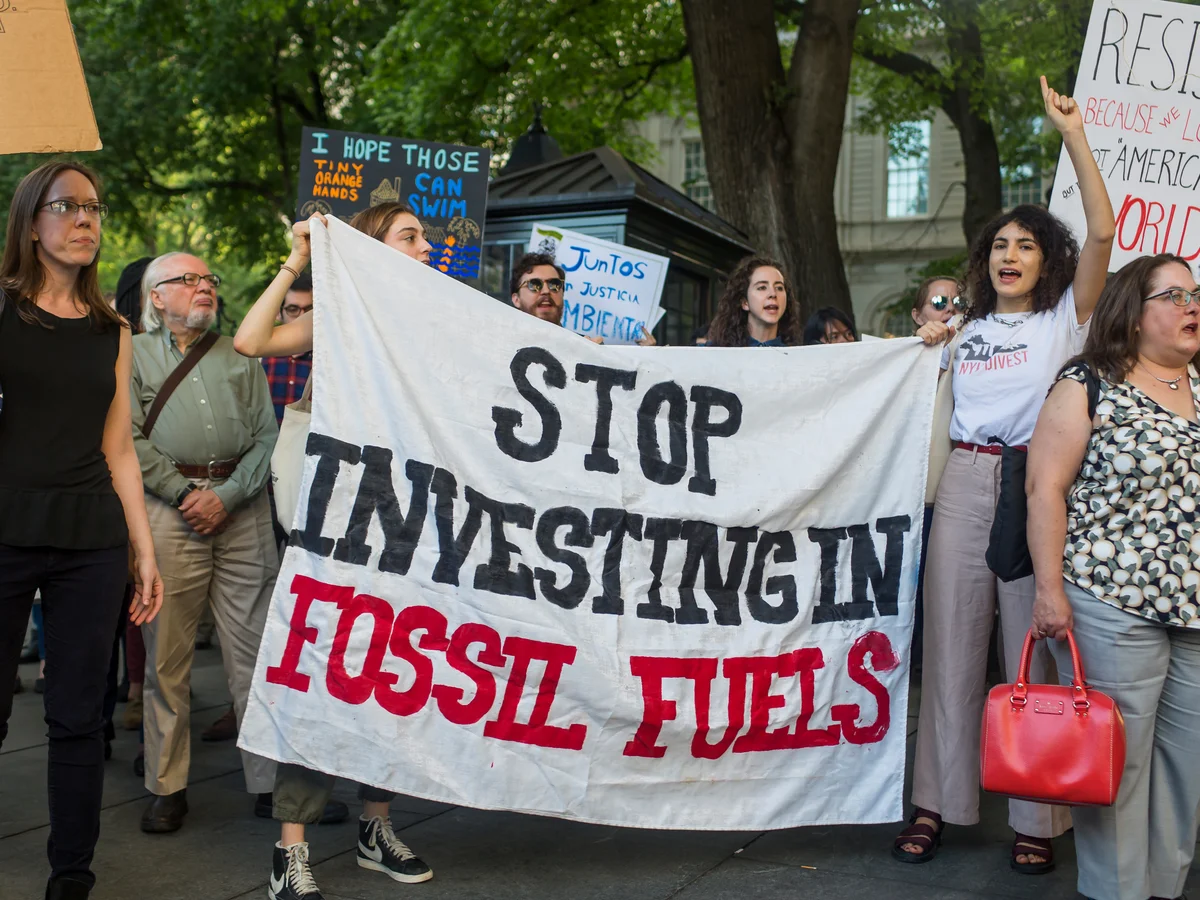
Political battles over fossil fuels and scientific research have become increasingly intense in the United States, reflecting deeper ideological divisions over climate change, energy security, and the role of government in shaping the country’s economic and environmental future. As policymakers debate the pace of energy transition, fossil fuels remain at the centre of legislative, legal, and electoral conflicts.
At the heart of the dispute is the question of how quickly the US should move away from oil, gas, and coal. Supporters of aggressive climate action argue that continued reliance on fossil fuels undermines efforts to curb greenhouse gas emissions and worsens climate-related disasters. They advocate for stricter environmental regulations, reduced subsidies for fossil fuel companies, and expanded investment in renewable energy and clean technology research.
On the other side, critics warn that rapid policy shifts could threaten energy affordability, economic stability, and national security. Lawmakers from fossil fuel–producing states often emphasise the importance of oil and gas industries in providing jobs, government revenue, and reliable energy. They argue that domestic fossil fuel production reduces dependence on foreign energy sources and shields consumers from global price shocks.
Scientific research has increasingly become a political flashpoint in this debate. Federal funding for climate science, environmental monitoring, and energy research is often scrutinised through a partisan lens. While some lawmakers push for expanded funding for climate modelling, clean energy innovation, and emissions reduction technologies, others question the scope, priorities, and conclusions of such research, claiming it reflects political bias or regulatory overreach.
Universities and research institutions have also found themselves drawn into these battles. Researchers studying climate impacts, pollution, and public health sometimes face political pressure, funding uncertainty, or legal challenges. At the same time, industry-backed research promoting carbon capture, fossil fuel efficiency, or alternative interpretations of climate data has fuelled accusations of influence and conflict of interest.
Legal action has further intensified tensions. Several US states and municipalities have pursued lawsuits against fossil fuel companies, seeking accountability for climate-related damages. In response, industry groups and allied politicians argue that such cases threaten economic growth and unfairly target lawful businesses that operate within existing regulations.
The debate extends beyond Capitol Hill into election campaigns, where energy policy has become a defining issue. Candidates frequently frame fossil fuels either as a threat to the planet or as a pillar of economic strength, leaving little room for compromise. This polarisation has made long-term, bipartisan energy planning increasingly difficult.
Experts note that the stakes are high. Decisions made today will shape infrastructure investments, research priorities, and environmental outcomes for decades. Balancing climate goals with economic realities requires not only scientific evidence but also political consensus — something that remains elusive in the current US landscape.
As the United States navigates these competing pressures, the political battles over fossil fuels and research underscore a broader struggle: how to reconcile scientific findings, economic interests, and ideological beliefs in crafting sustainable and credible energy policies for the future.

Note: Content and images are for informational use only. For any concerns, contact us at info@rajasthaninews.com.

Previous Post

Next Post
"इको-फ्रेंडली इनोवेश...
Related Post
_1787743895.jpg)


_1788282058.png)
_1788281507.png)
_1788280999.png)

_1788280346.png)